




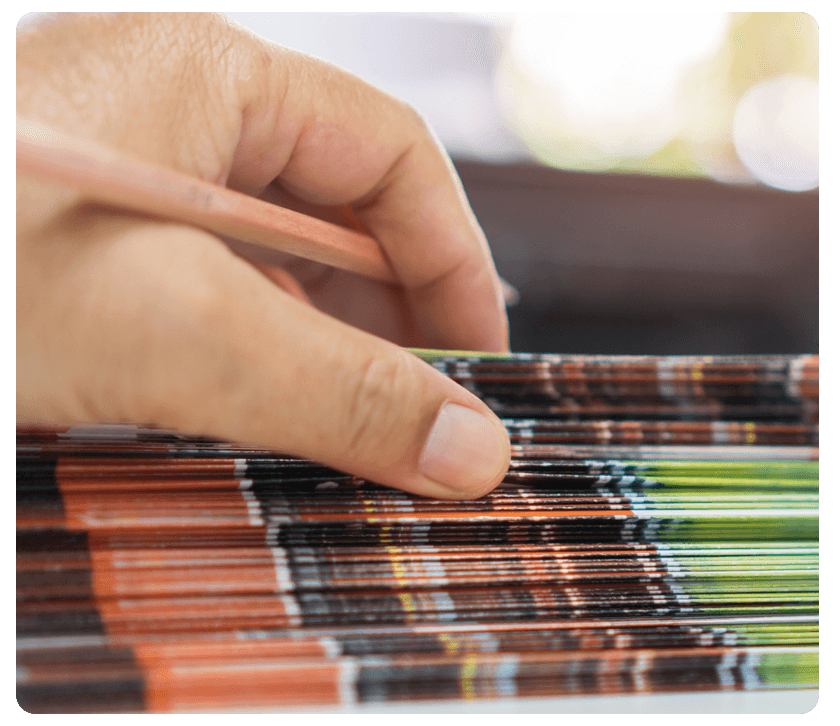
In a world drowning in digital noise, print isn't just surviving. It's thriving. As we move into 2026, savvy marketers are rediscovering what neuroscience has been telling us all along: physical materials make a lasting impression that pixels simply can't match.
The Science of Staying Power
When someone holds your printed piece, their brain processes it differently from a screen. Research shows that people retain information 70% better when they read it on paper versus digitally. That's not nostalgia. That's neurology. Physical materials engage more sensory pathways, creating stronger memory encoding. For your marketing message, that means higher recall when it matters most: at decision time.
Standing Out in the Inbox
The average person receives 121 emails per day. Your digital campaign is competing with everything from work deadlines to cat videos. Meanwhile, direct mail response rates have climbed to 9% for house lists and 5% for prospect lists, significantly outperforming email's typical 1% response rate. A well-designed mail piece gets attention simply because it's tangible, unexpected, and demands a physical interaction.
Trust in a Skeptical Age
In an era of deepfakes, phishing scams, and ad fraud, print carries inherent credibility. A printed catalog, brochure, or letter signals investment and permanence. It says your organization is substantial enough to put ink on paper and deliver it to someone's hands. That perception of legitimacy is increasingly valuable as digital trust erodes.
The Multi-Channel Advantage
Here's the key: print doesn't replace digital. It amplifies it. Campaigns that integrate print with digital channels achieve response rates up to 400% higher than digital alone. A postcard with a QR code, a catalog that drives web traffic, or a direct mail piece that triggers email follow-up creates multiple touchpoints that reinforce your message and meet customers where they are.
As you plan your 2026 marketing strategy, don't leave print on the table. In a digital-first world, print has become your secret weapon for breaking through, building trust, and driving results.
